

-
×
 Selmer Paris Fibra Ligature for Bari Sax & Bass Clarinet
1 × $109.99
Selmer Paris Fibra Ligature for Bari Sax & Bass Clarinet
1 × $109.99 -
×
Yamaha Venova - Casual Wind Instrument
1 × $99.99
-
×
Yamaha 62 Tenor Sax - Dark Amber Lacquer
1 × $5,045.99
-
×
Kessler Custom Performance Series Alto Sax
1 × $1,079.00
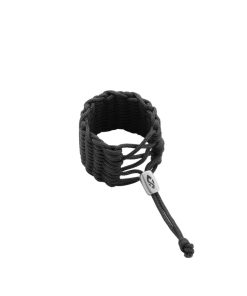 Selmer Paris Fibra Ligature for Bari Sax & Bass Clarinet
  Yamaha Venova - Casual Wind Instrument
  Yamaha 62 Tenor Sax - Dark Amber Lacquer
  Kessler Custom Performance Series Alto Sax
  Inspirada
 Sloan Canyon
 Springs
 St Rose
“You have to try out several of this model to find one that plays great”
“Instruments aren’t made as well as they used to be”
“My new horn that I just got from ___________ doesn’t play as well as I thought it would”
The 3 example statements above are ones that I have heard over and over ever since we expanded our business to the web back in 1998. Many people do not understand the amount of adjustments that go in to making a musical instrument perform up to its potential. Sadly, many stores and “technicians” do not fully understand this. When combined with the logistics of manufacturing, shipping, storage, distribution & the natural materials used in instruments that effect these adjustments, one can truly understand many of the reasons behind the frustrations echoed in the 3 statements above. Furthermore; once we understand these issues we can proceed with a better understanding on how to avoid them.
This blog post is intended to help you the customer make the most educated decision about how to purchase any musical instrument whether it is on-line, locally or even second hand. Obviously, I may be a bit biased as to where the best source for your purchase is (www.kesslermusic.com) but after reading this blog post, I think you will see why.
For the case of simplicity and length of this post, I will focus on saxophones as they possess the largest amount of these adjustments and issues. However, most of this applies to all woodwind instruments.
Issue #1 – Natural Materials
Most “repairs” and adjustments needed on an instrument are materials that are not 100% stable and as they shift with time & pressure. The proper functioning of your instrument relies on these materials being set and stable, but they are typically anything but stable. Lets look at the 3 main “natural” materials:
Pads– For those who are not 100% informed on the workings of a musical woodwind instrument, pads are what seal the tone hole closed. Sax pads are made typically with a cardboard backing, a felt wafer and a leather layer to seal with. Felt & Leather are both materials that compress. When you look at your sax pad, you will see an indentation (known as a pad “seat”) where the leather is compressed to appear to fit the contour and shape of the tonehole underneath.
Felt & Cork – Felt & Cork is used throughout the instrument as a silent bumper. With many keys through the instrument, there are keys that function by connecting with another key or set of keys. This metal to metal contact would normally create a lot of noise when operated. So cork & felt is used in mixed combinations and thicknesses to silence these mechanisms while playing.
The problem with these materials is that they all compress. They are also not uniform materials. Take a look at the pads for example. Leather & Felt – 2 materials that individually are not going to be perfectly uniform and consistent but when combined together, they make for even more potential problems.
The proper regulation and performance of your instrument relies on these materials being perfectly fit throughout the entire horn simultaneously. Even one of them on the horn being out of place due to compression or damage can make the entire instrument not play properly.
Issue #2 – Storage, Shipping & Distribution
Contrary to what some out there believe, most manufacturers actually do quite a good job setting up and regulating their instruments prior to shipping. However, once they have completed manufacturing the instrument, it goes into storage where it sits. Then when a order comes in, it ships and can be mishandled in shipping, especially if it was not packaged properly. Then once it arrives at its destination it is put on a shelf where it sits again. The distributors place the item in various warehouses waiting for the dealer to call up the order. Until that happens, it can sit. Then finally the day comes where the instrument ships to the dealer. Once again, it goes out and hopefully arrives safely in the dealer’s store… where it then again gets placed on a shelf and sits.
All this time, Issue #1 as mentioned above is amplified. The compressions in the pads, corks & felts that the instrument relies on for proper performance are either compressing or un-compressing, slowly but surely and usually at completely different rates than other pads, corks or felts throughout the horn. When you think about how many pads are on a saxophone, how many keys articulate off of the other, how many corks & felts there are, etc… you can see how the longer the horn sits, the more out of adjustment it becomes.
This problem is further amplified when the tonehole is uneven or a key is improperly fit.
Issue #3 – Technicians
This is the big one. Most professional players will tell you that it is becoming harder and harder to find highly skilled professional technicians. At my family’s store, in our 22 years in business, we have only been able to successfully hire 2 technicians that came in with previous repair experience. Many come in and audition and their work is sub-par. Our best success for repair-persons has been training them ourselves.
———————————————————
Issues #1 & #2 are unavoidable sadly. The real problem is the 3rd issue. A quality technician can take care of the other issues. However, if the place that you buy your instrument from lacks a real quality technician or even worse, simply gives you the horn right out of the box, then you might be saying something similar to the 3 phrases that I started out this blog post with.
As for stores that possess the technical ability to deliver you a professionally setup sax, I can only speak to my own family’s store. It is something that separates us from most other stores out there. Everything that we sell is gone over meticulously by our technicians and properly setup.
This setup brings out the maximum performance of your new instrument right when you receive it. Then when you start putting your instrument into regular use immediately after a proper setup, the constant impact of the pads on the toneholes during playing helps to reinforce these adjustments in the pads meaning that your horn will be more reliable. Follow this up with an annual checkup and setup from a caliber shop and you will have an instrument that performs to its potential for as long as you own it.